
2026 · COMPLETE GUIDE
How to become a pilot
in India.
The full route from Class 12 to the flight deck: eligibility, DGCA medicals, ground school, flying hours, licence, type rating and airline selection. Every step in the right order, with the real numbers and timelines.
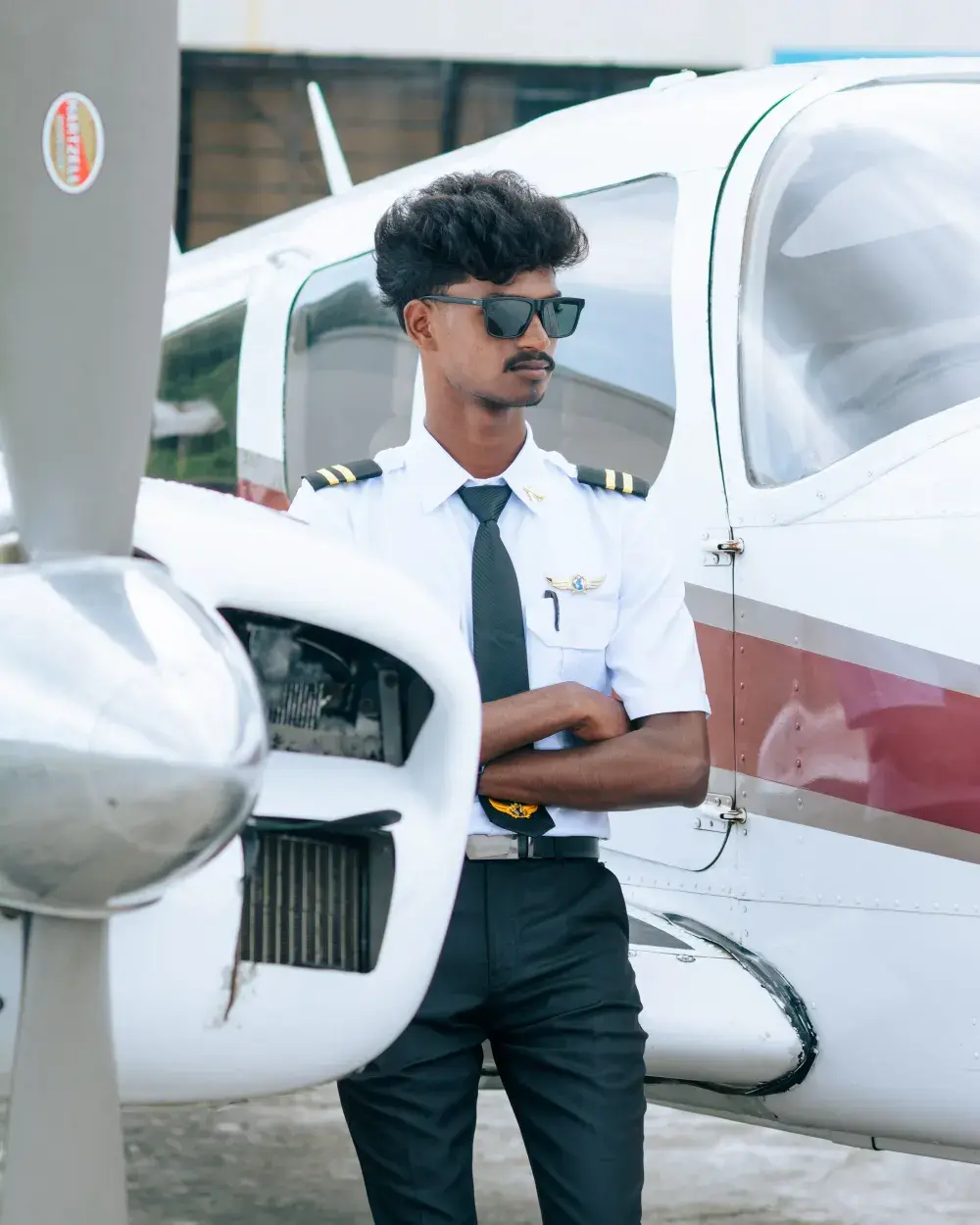
/ THE SHORT VERSION
If you read one section, read this.
To become a Commercial Pilot in India you complete 10+2 with Physics and Mathematics, pass the DGCA Class 2 medical, register an eGCA ID, clear ground school and the DGCA theory exams, pass the Class 1 medical, complete flight training at an approved organisation, log the required hours, and obtain your CPL with a Multi-Engine rating.
From there you add an aircraft type rating, usually timed to airline hiring, and enter airline selection as a Junior First Officer. The full journey typically takes 18 to 24 months, depending on your school, your pace and the pathway you choose.
AT A GLANCE
- Entry qualification
- 10+2 · Physics + Maths
- Minimum flying hours
- 200 hrs
- Typical duration
- 18–24 months
- Typical total cost
- ₹55–85 lakh
/ THE ROUTE
Your flight plan, waypoint by waypoint.
WPT 01
eGCA ID
Register on the DGCA's eGCA portal to get your unique ID. Every medical, exam and licence application is filed against it, so set it up before anything else.
WPT 02
DGCA Class 2 medical
The first gate. A quick, inexpensive check by a DGCA-approved examiner that clears you to begin training. Do this before paying deposits.
WPT 03
Ground school + DGCA theory exams
Coaching across Navigation, Meteorology, Air Regulations, Technical and RTR, then the written DGCA papers. Four subjects for India, more for abroad.
WPT 04
DGCA Class 1 medical
The comprehensive medical required before CPL issuance. Renewed annually, and six-monthly after 40.
WPT 05
Flight training
First solo through cross-country, instrument and night flying, completing the full 200-hour CPL syllabus in India or abroad.
WPT 06
Commercial Pilot Licence
With all exams passed, hours logged, RTR obtained and the skill test cleared, the DGCA issues your CPL, the licence that lets you fly commercially.
WPT 07
Multi-Engine rating
The multi-engine endorsement airlines expect, added to your CPL through additional focused flying.
WPT 08
Type rating
Simulator training for a specific aircraft such as the A320 or B737, usually timed to airline hiring so it pays off.
WPT 09
Airline selection
Aptitude tests, group exercises, simulator evaluation and interviews, leading to your first seat as a Junior First Officer.
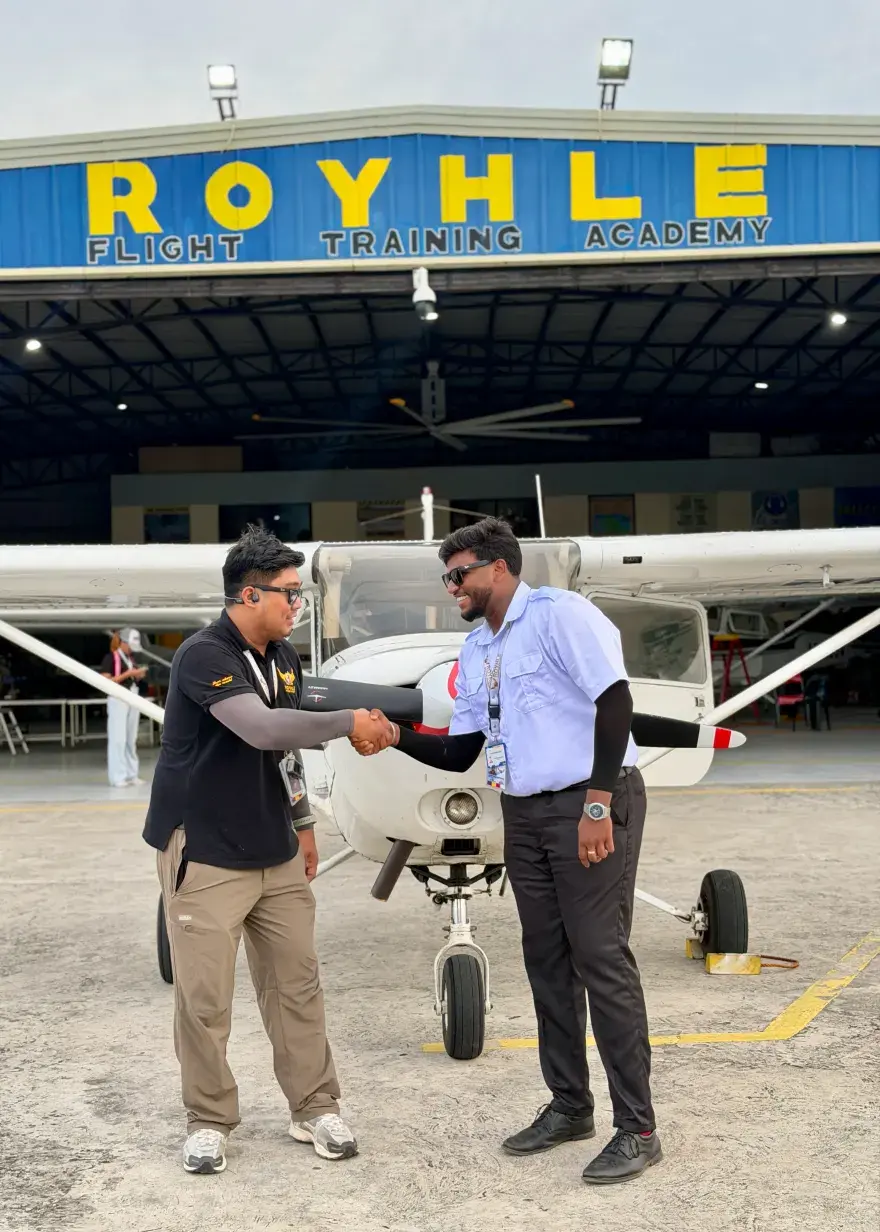
eGCA ID
Not sure which waypoint you are at? A free 30-minute call maps your route before you spend anything.
Book free counselling/ ELIGIBILITY
Confirm you qualify before you spend a rupee.
The eligibility bar is lower than most people assume. Here is exactly what the DGCA requires.
EDUCATION
10+2 with Physics & Maths
HSC or equivalent from a recognised board, with Physics and Mathematics passed at the 10+2 level. Non-negotiable for DGCA CPL eligibility.
PERCENTAGE
A pass is enough
The conventional route needs only a pass in Maths and Physics, with no minimum percentage. Cadet programmes set their own bar, typically 55–60%.
NATIONALITY
Indian nationals & OCI
Indian nationals apply for an Indian CPL through the DGCA. OCI cardholders are also eligible to apply.
Commerce or Arts background?
You can still fly. If you did not take Physics and Mathematics at 10+2, clear them as additional subjects through NIOS or a state board that allows private candidates. It adds roughly six months and is a well-trodden route: many current airline pilots took it. A graduation degree is a bonus, not a substitute for the 10+2 Physics and Maths requirement.
/ MEDICALS
The medical is the first gate. Clear it first.
A disqualification mid-training is costly, financially and emotionally. Book the medical before you commit to ground school or flight fees.
DGCA Class 2
FOR SPL / PPL · VALID 2 YRSRequired before flight training and less stringent than Class 1. Conducted by DGCA-approved examiners.
DGCA Class 1
FOR CPL · RENEW ANNUALLYRequired before CPL issuance and more comprehensive. Includes everything in Class 2, plus:
Temporarily unfit
A treatable or recovering condition prevents certification for now, but you can be re-assessed and potentially cleared. Many pilots with a temporary finding go on to hold a full Class 1.
Permanently unfit
A condition assessed as irreversible and incompatible with safe flight. Certain cases can be referred to a Class 1 Medical Board, the DGCA's senior review body, for a more detailed assessment.
Glasses are fine as long as vision corrects to 6/6. Normal colour vision is required. There is no fixed BMI cutoff: the examiner judges fitness holistically. If you have any colour-vision or eyesight concern, get assessed before paying fees.
/ COST & DURATION
The real numbers, not the misleading ones.
TYPICAL TOTAL TO CPL
₹55–85 lakh
India
~₹60L
Weather delays are the main variable, but no licence conversion is needed and you train inside the DGCA system from day one.
WHERE THE MONEY GOES
FIGURES ARE INDICATIVE FOR 2026 · TRAINING ABROAD REQUIRES DGCA LICENCE CONVERSION
HOW LONG IT TAKES
BEST CASE
1–1.5 yr
All exams first attempt, good aircraft availability and favourable weather.
AVERAGE
1.5–2 yr
A re-attempt or two, moderate delays and a couple of months for licence processing. What most students see.
DELAYED
2.5–3 yr
Multiple exam failures, slot backlogs or changing schools mid-training. Avoidable with the right school.
/ THE BIG DECISION
Cadet programme or conventional CPL?
Both paths lead to the same cockpit; the route is very different. Here is an honest comparison.
Cadet programme
END-TO-END · ₹90L–₹1.05CR
Conventional CPL
SELF-MANAGED · ₹55L–₹75L
Whichever you choose, pick a school on aircraft availability, instructor quality, completion record and location, never on fees alone. A cadet seat is not a guarantee: each stage has a screening gate, so read the programme contract carefully before you sign.
/ QUESTIONS, ANSWERED
Becoming a pilot, FAQ.
Yes. The only academic requirement is Physics and Mathematics at 10+2 level. If you did not take them, clear both through NIOS or another recognised board, then follow the same pathway as everyone else.
/ START WITH A CONVERSATION
Get the map before
you take off.
A free 30-minute session with an experienced pilot maps your eligibility, medicals, timeline and budget before you make a single costly decision.